Infrared Technology and Its Effect on Motor Repair Costs
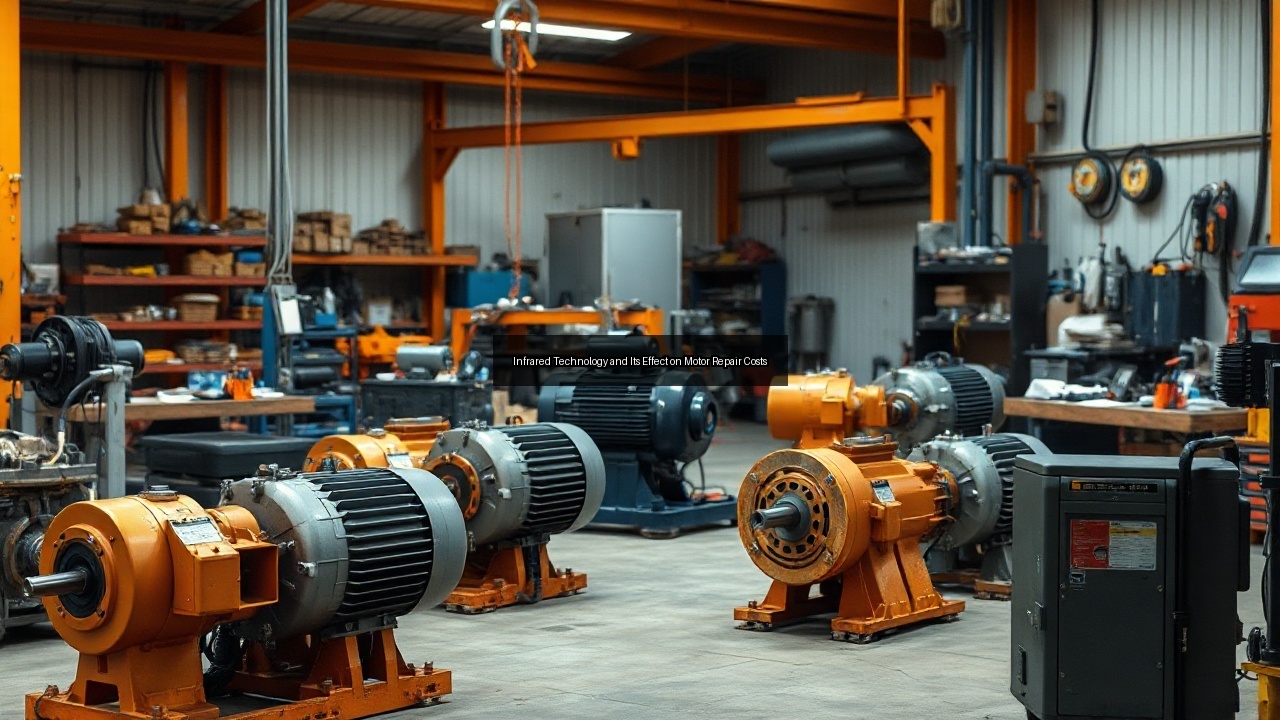
Understanding Infrared Technology in Motor Maintenance
What is Infrared Technology?
Infrared technology uses infrared radiation to detect temperature variations in equipment, including electric motors. This non-invasive technique involves the use of infrared sensors that capture thermal images, revealing hotspots that indicate potential issues. By identifying anomalies in temperature, operators can ascertain the condition of motor components without disassembling the unit. This technology has gained traction electric motor repair services in various industries, particularly in predictive maintenance, where early electric motor repair services detection of problems can lead to significant cost savings and reduced downtime.
Applications of Infrared in Electric Motor Maintenance
Infrared technology finds applications across multiple facets of electric motor maintenance. It effectively monitors the operating temperature of critical components such as the stator, rotor, and variable frequency drives (VFDs). Regular thermal imaging allows maintenance teams to spot overheating, which often signals electrical imbalances or insulation failures. Additionally, infrared thermography helps identify issues related to contamination or inadequate lubrication, which can lead to increased friction and wear. By employing this technology, companies can establish a proactive maintenance approach that reduces the likelihood of unexpected motor failures and optimizes performance.
Benefits of Using Infrared for Predictive Maintenance
Integrating infrared technology into predictive maintenance strategies offers numerous benefits. Primary among these is the capacity to reduce repair costs by addressing issues before they escalate. Infrared inspections help identify temperature anomalies, allowing maintenance teams to tackle minor problems before they develop into significant failures. This proactive approach not only decreases the frequency of emergency repairs but also extends the lifespan of electric motors. Moreover, infrared technology enhances overall efficiency by ensuring motors operate within optimal temperature ranges, which translates to lower energy consumption and improved operational performance. Ultimately, the investment in infrared technology pays off by safeguarding budgets and minimizing the total cost of ownership.
Impact of Infrared Technology on Electric Motor Repair Costs
Reducing Failure Rates and Extending Motor Lifespan
Infrared technology plays a crucial role in reducing failure rates of electric motors, directly impacting repair costs. By regularly monitoring temperature fluctuations, maintenance teams can detect early signs of insulation degradation or electrical imbalances, which are common precursors to motor failure. Addressing these issues promptly not only minimizes the risk of catastrophic breakdowns but also extends the lifespan of motors. Longer-lasting motors mean fewer replacements and repairs, leading to substantial savings in maintenance budgets. Additionally, as motors operate more efficiently, energy costs decrease, further contributing to overall cost reductions.
Cost-Effectiveness of Infrared Sensors
Investing in infrared sensors proves highly cost-effective for companies managing electric motor repair costs. The initial expenditure on infrared technology is often outweighed by the long-term savings achieved through reduced repair incidents and extended motor life. By implementing routine infrared inspections as part of a comprehensive maintenance plan, businesses can identify faults early and prioritize repairs based on urgency and impact on operations. This targeted approach minimizes unnecessary expenditures on repairs that could have been avoided. Furthermore, the ability to forecast maintenance needs based on accurate data helps organizations allocate budgets more effectively, leading to better financial management and reduced overall repair costs.
Analyzing Repair Costs: A Case Study
A case study of a manufacturing facility that adopted infrared technology illustrates its impact on electric motor repair costs. Initially, the facility faced frequent motor failures and high repair expenses due to a reactive maintenance strategy. After integrating infrared inspections into their maintenance program, the facility witnessed a marked decline in motor failures over a year. The data collected from infrared thermography identified overheating issues in several motors, allowing for timely interventions. As a result, the facility reduced its annual repair costs by nearly 30%, demonstrating how infrared technology not only enhances operational efficiency but also significantly lowers repair expenses.
Factors Influencing Electric Motor Repair Costs
Role of Insulation and Contamination in Repair Expenses
Insulation quality and contamination levels significantly influence electric motor repair costs. Damaged insulation can lead to short circuits, electrical imbalances, and ultimately, motor failure. Contaminants such as dust, moisture, or chemical residues can exacerbate wear on motor components, increasing the likelihood of breakdowns. Regular infrared inspections can help detect these issues early, allowing maintenance teams to address them proactively. By maintaining high insulation integrity and keeping motors free from contamination, companies can avoid costly repairs and ensure longer operational lifespans for their electric motors.
Impact of Motor Components: Stator, Rotor, and VFD
The condition of individual motor components, including the stator, rotor, and VFD, plays a critical role in determining repair costs. A failing stator can lead to inefficient operation and increased energy consumption, while rotor issues may manifest as vibrations or noise, indicating potential mechanical failure. VFDs, which control motor speed and torque, can also contribute to costs if they malfunction. Infrared technology allows for the monitoring of these components, identifying temperature irregularities that signal impending failures. By addressing issues promptly, organizations can mitigate repair costs associated with extensive component damage and enhance overall motor performance.
Warranty Considerations and Their Effect on Repair Budgets
Warranties significantly affect electric motor repair budgets. Many manufacturers offer warranties that cover specific components for a set period, providing financial relief in case of early failures. However, warranty claims often hinge on proper maintenance practices. Utilizing infrared technology can support warranty claims by demonstrating that regular monitoring and maintenance were performed, thereby protecting the investment. Moreover, proactive maintenance enhances the likelihood of operating within warranty terms, reducing the need for out-of-pocket expenses on repairs. Companies should consider integrating infrared inspections into their maintenance plans to maximize warranty benefits and minimize repair costs.
Improving Energy Efficiency and Reducing Repair Costs
Energy Efficiency in HVAC Systems
Energy efficiency in HVAC systems directly influences electric motor repair costs. Motors that drive HVAC systems must operate efficiently to ensure optimal performance and energy savings. Inefficient motors can lead to increased energy consumption, resulting in higher operational costs and wear on components. Infrared technology assists in identifying inefficiencies by detecting overheating or improper functioning. By ensuring motors operate at peak efficiency, companies can reduce both energy costs and repair expenses tied to excessive wear and failure of motor components. This dual benefit underscores the importance of incorporating infrared inspections into energy management strategies.
The Importance of Regular Maintenance on Repair Costs
Regular maintenance is essential for controlling electric motor repair costs. Implementing a routine maintenance schedule that includes infrared inspections allows organizations to catch potential issues early. Preventive measures, such as lubrication and alignment checks, combined with infrared monitoring, help maintain optimal performance. This proactive approach minimizes unplanned downtime and repair expenses, as it reduces the likelihood of severe motor failures. Ultimately, regular maintenance solidifies the foundation for a reliable motor operation, leading to lower repair costs and a more efficient budget allocation for maintenance activities.
Investment in Infrared Technology: A Long-Term Solution
Investing in infrared technology represents a long-term solution for managing electric motor repair costs. While the initial investment may seem substantial, the potential savings achieved through reduced repairs and increased motor lifespan provide an attractive return on investment. Companies that adopt infrared monitoring as a core component of their maintenance strategy can expect to see significant reductions in both energy costs and repair expenditures. In addition, the ability to predict maintenance needs enhances operational efficiency and aligns with broader business objectives. Overall, integrating infrared technology into maintenance practices secures a more sustainable and cost-effective approach to electric motor management.
See Also
- Choosing the Right Repair Service for Your Electric Motor Budget
- Breaking Down Electric Motor Repair Costs for HVAC Systems
- What Every Facility Manager Should Know About Motor Repair Costs
- Understanding the Costs Involved with Insulation Failures
- The Role of Predictive Maintenance in Lowering Motor Repair Expenses