The Versatility of Blind Flanges in Oil and Gas Applications

Understanding Blind Flanges in Oil and Gas
What are Blind Flanges?
Blind flanges seal the ends of pipes and tubes in demanding oil and gas environments. These solid discs bolt onto flanged connections to block flow completely and protect system integrity during maintenance or shutdowns. Workers rely on them to isolate sections of steel pipes without cutting or welding every time. The design eliminates the need for complex caps while maintaining pressure ratings that match the rest of the pipeline infrastructure. Engineers select blind flanges when they need a reliable barrier that withstands high pressure and corrosive fluids common in extraction and transport operations.
Operators also use blind flanges at test points and future tie-in locations. This approach keeps pipes ready for expansion without immediate full connection. The flat surface accepts gaskets that create tight seals and prevent leaks under extreme conditions. In practice, crews install these flanges on both new construction and existing lines to maintain safety and operational control across vast networks of pipe fittings and valves.
Types of Blind Flanges Used in the Industry
Industry professionals choose several styles of blind flanges depending on pressure class and connection requirements. Raised-face versions concentrate gasket load on a narrow ring for superior sealing in high-pressure oil and gas lines. Flat-face models spread the load across the entire surface and suit lower-pressure applications or brittle materials. Ring-type joint flanges provide even tighter metal-to-metal contact when extreme temperatures or pressures exist in processing facilities.
Each type integrates with standard pipe flanges and flange fittings to ensure compatibility across systems. Technicians often combine blind flanges with expansion joints or valve assemblies to create modular sections that crews can isolate quickly. This variety allows teams to match the exact specifications of carbon steel or stainless steel pipes while meeting ASME requirements for dimensional accuracy and strength.
Material Considerations: Carbon Steel vs. Stainless Steel
Carbon steel blind flanges deliver strength and affordability for most upstream and midstream oil and gas applications. Their durability handles mechanical stress and moderate corrosion when properly coated or lined. Many crews prefer carbon steel for large-diameter steel pipes where cost control matters. Stainless steel versions resist aggressive chemicals and sour service environments better, making them essential in refineries and offshore platforms exposed to chlorides and hydrogen sulfide.
Selection depends on fluid composition, temperature range, and expected service life. Stainless steel flanges maintain integrity longer in marine settings but carry higher upfront costs. Operators balance these factors by reviewing pipe material, gasket compatibility, and maintenance schedules to avoid premature replacement. Both materials support welded and bolted connections that keep infrastructure reliable over decades of continuous operation.
Applications of Blind Flanges
Role in Pipeline Infrastructure
Blind flanges serve as critical termination points throughout oil and gas pipeline infrastructure. They cap unused branches and allow pressure testing without risking leaks into the environment. Maintenance teams isolate segments of pipes for inspection or repair by bolting these flanges in place, reducing downtime across extensive networks. Their solid construction withstands the same pressure ratings as adjacent pipe sections, preserving overall system balance.
Engineers position blind flanges at pig launchers and receiver stations to facilitate cleaning operations. This placement keeps debris and residue contained while crews work safely. The components also support future expansion by providing ready-made connection points that avoid hot work on live lines. Such versatility keeps large-scale transport systems flexible and responsive to changing production demands.
Use in Flanged Connections
Flanged connections gain added strength and safety when teams install blind flanges at dead ends or temporary closures. These components create uniform bolting patterns that align perfectly with standard pipe flanges and fittings. Proper alignment ensures even gasket compression and eliminates weak spots that could lead to leaks under cyclic loading common in pumping stations.
Technicians frequently replace open pipe ends with blind flanges during phased construction projects. This method protects internal surfaces from contamination while allowing quick conversion to flowing service later. The approach streamlines logistics because crews carry fewer specialized caps and rely on interchangeable flange hardware already stocked for valves and other equipment.
Integration with Valves and Fittings
Blind flanges work seamlessly with valves and pipe fittings to create isolated zones within processing skids and manifolds. When paired with gate or ball valves, they permit complete shutdown of specific lines without draining entire systems. This combination proves invaluable during turnaround events where multiple sections require independent access.
Fabricators also mount blind flanges on custom fittings to accommodate instrumentation or sample points. The solid plate provides a stable mounting surface that maintains alignment under vibration. Integration extends to expansion joints as well, where blind flanges help manage thermal movement while keeping connections secure. Such arrangements improve overall reliability and simplify troubleshooting across complex valve arrangements.
Benefits of Using Blind Flanges
Enhanced Reliability and Leak Prevention
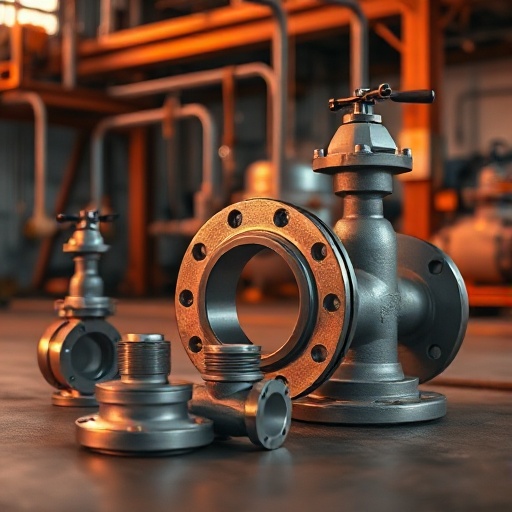
Blind flanges improve reliability by delivering a positive seal that stops leaks at pipe terminations. Their robust construction resists deformation under high pressure and temperature cycles typical in oil and gas service. When paired with the correct gasket material, these flanges maintain integrity even after repeated thermal expansion and contraction events.
Regular inspection of flange faces and bolt torque helps sustain performance over time. Operators report fewer fugitive emissions when blind flanges replace temporary closures or poorly designed caps. This reduction supports environmental compliance and protects workers from exposure to hazardous fluids. The consistent sealing capability makes blind flanges a preferred choice for critical isolation points throughout production facilities.
Cost-Effectiveness in Maintenance
Maintenance budgets benefit when crews use blind flanges instead of custom fabricated closures. Standardized dimensions reduce procurement lead times and allow reuse across multiple projects. Fewer specialized parts mean lower inventory costs and faster response when isolation becomes necessary.
Because blind flanges bolt on and off easily, teams complete isolation tasks without extensive cutting or welding. This efficiency shortens shutdown windows and returns lines to service sooner. Over the life of a facility, the savings compound through reduced labor hours and minimized equipment damage from repeated hot work. The approach also lowers the risk of weld defects that could require additional repairs later.
Flexibility in Design and Installation
Design engineers gain flexibility by specifying blind flanges at strategic locations. These components allow layout changes during construction without major rework. Future tie-ins become straightforward because crews simply remove the blind flange and bolt on new pipe sections or fittings.
Installation crews appreciate the straightforward bolting process that requires only basic tools and standard torque procedures. The ability to reposition or replace a blind flange quickly supports phased commissioning and modifications. This adaptability proves especially useful in modular construction common to offshore platforms and remote gathering systems where space and access remain limited.
Installation and Maintenance of Blind Flanges
Proper Sealing with Gaskets and Flange Seals
Effective sealing starts with selecting the right gasket for the service conditions. Spiral-wound gaskets with graphite fillers perform well in high-temperature oil and gas applications, while PTFE options suit corrosive environments. Proper surface finish on the blind flange face ensures even compression and prevents gasket blowout under pressure.
Technicians clean flange faces thoroughly before installation and check for scratches or warping that could compromise the seal. They apply the correct bolt lubrication and follow sequential tightening patterns to achieve uniform load distribution. Regular monitoring of flange seal integrity through ultrasonic or visual inspection helps detect early signs of degradation and prevents unexpected leaks during operation.
Best Practices for Welded Connections
When blind flanges require welding to pipes, welders follow qualified procedures that match material grades and thickness. Proper bevel preparation and preheat minimize residual stresses that could lead to cracking. Post-weld heat treatment restores mechanical properties in carbon steel and stainless steel assemblies exposed to sour service.
Inspection of weld quality through radiography or ultrasonic testing confirms soundness before the line returns to service. Welded blind flanges provide permanent terminations that eliminate potential leak paths at bolted joints. This method suits locations where frequent access is unnecessary and maximum reliability remains the priority.
Avoiding Common Installation Mistakes
Common errors include mismatched flange ratings, improper gasket selection, and uneven bolt torquing. These issues create stress concentrations that shorten service life and increase leak risk. Crews must verify that blind flange pressure class matches the connected pipe and fittings before assembly.
Another frequent mistake involves skipping surface preparation or using damaged gaskets. Thorough training and standardized checklists help teams avoid these pitfalls. Documenting torque values and inspection results creates an audit trail that supports long-term maintenance planning and regulatory compliance across oil and gas operations.
Future Trends in Blind Flange Technology
Innovations in Materials and Design
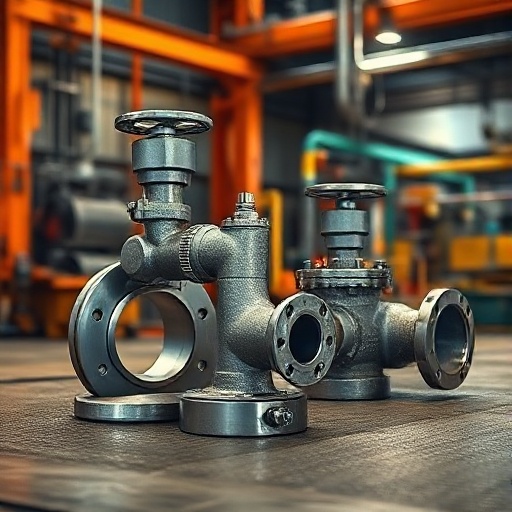
Material scientists continue developing advanced alloys and coatings that extend blind flange life in aggressive environments. Duplex and super-duplex stainless steels offer improved resistance to chloride stress corrosion while maintaining strength. Additive manufacturing now produces complex flange geometries with optimized internal flow paths that reduce turbulence at termination points.
Smart sensors embedded in flange assemblies provide real-time data on temperature, pressure, and bolt preload. This capability allows predictive maintenance that prevents failures before they occur. Such innovations keep blind flanges relevant as oil and gas operations push into deeper waters and harsher reservoirs.
Impact of ASME Standards on Blind Flange Usage
ASME updates to B16.5 and related codes refine dimensional tolerances and material requirements for blind flanges. These revisions improve interchangeability across global supply chains and raise minimum performance thresholds for high-pressure service. Manufacturers must adapt designs to meet the latest editions, which often include enhanced testing protocols.
Compliance with current ASME standards gives operators confidence that blind flanges will perform reliably under specified conditions. Regular code revisions also incorporate lessons from field experience, leading to safer practices in pipeline infrastructure and processing facilities. Staying current with these standards remains essential for engineering teams specifying equipment.
Sustainability Considerations in Oil and Gas Applications
Sustainability efforts focus on extending equipment life and reducing waste. Reusable blind flanges that survive multiple service cycles lower the environmental footprint of maintenance activities. Manufacturers explore recycled steel content and low-emission production methods to meet corporate responsibility goals.
Design improvements that minimize leaks also reduce methane emissions from oil and gas infrastructure. When blind flanges integrate with advanced sealing technologies, facilities achieve better environmental performance without sacrificing operational flexibility. This alignment supports industry transitions toward lower-impact extraction and transport methods while maintaining safety and reliability standards.